
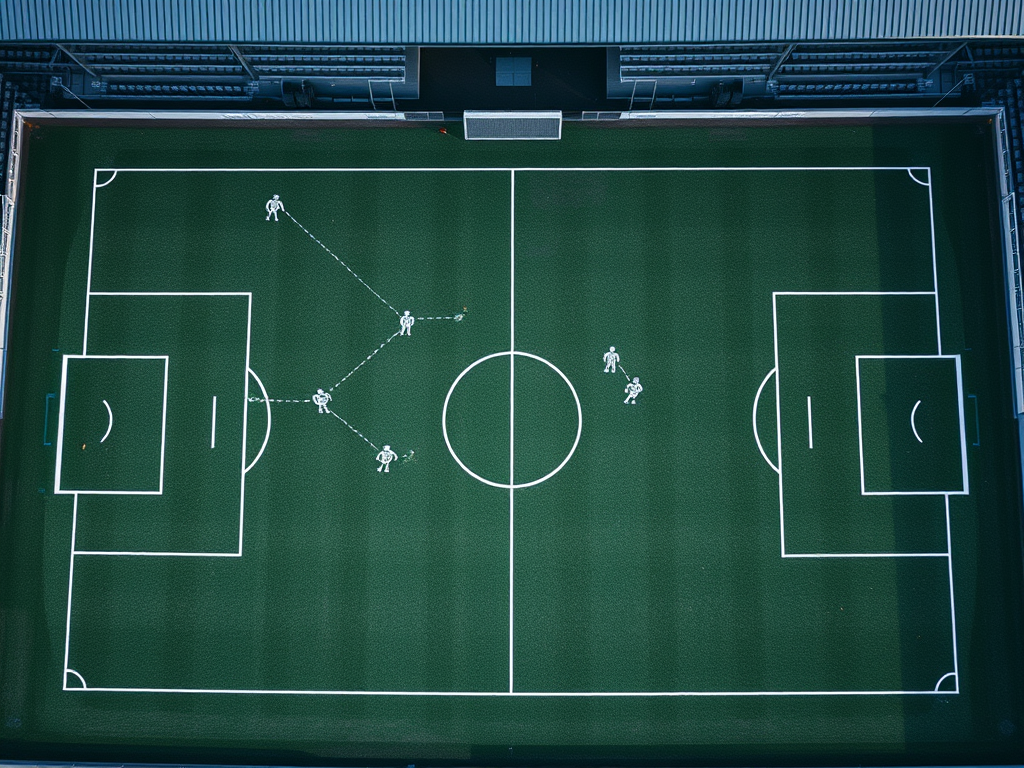
"Tactics are always changing, but our principles remain the same," Owen Coyle stated during a recent press conference. This season, Queen's Park has embarked on a tactical journey that reflects both Coyle's philosophy and the strengths of his players.
Coyle has implemented a flexible formation, often shifting between a 4-2-3-1 and 4-3-3, depending on the opponent. This adaptability has allowed players such as S. Drozd and J. Bradley to thrive in different roles, whether it be pressing high up the pitch or supporting defensive transitions. Their performances demonstrate a clear understanding of Coyle's expectations. Tactics in action The tactical adjustments have been most evident in their recent match against Partick Thistle. Queen's Park displayed organized pressing. In the first half, they restricted Thistle's spaces, limiting their opportunities significantly. The crowd roared with every successful interception, urging the players forward. However, tactical discipline faltered for a brief period, leading to conceding a goal just before halftime.
Coyle's focus on creating overlapping runs has empowered wing-backs to join the attack, providing width that keeps opponents guessing. Players like C. Goldie have been exemplary in their ability to contribute both defensively and going forward, showcasing the twin demands of modern football. Coyle's approach emphasizes fluidity, allowing for quick transitions that can exploit defensive lapses.
As the season unfolds, the evolution of tactics will be critical. Queen's Park's ability to adapt not only defines their identity on the pitch but could ultimately determine their success in the Scottish Championship. The upcoming fixtures will be a test of their tactical acumen and depth.