
The historic First Hampden site, the original home of Queen's Park FC and the world's first purpose-built international football stadium, has been put on the market for lease. City Property Glasgow, an arm's-length company of Glasgow City Council, is now inviting offers for the site, which includes a former bowling club building and green in south Glasgow.
Heritage and community vision
This ground is where Scotland's national team moved in 1878 and won every game played there, a legacy commemorated by a mural of the 5-1 victory over England in 1882 featuring Andrew Watson. A community campaign, led by 37-year-old Calum Cameron, has been fighting to secure the site for public use. "We want to see it become a multifunctional community space," Cameron said. His First Hampden community interest company previously had a bid for community ownership rejected but has gathered almost 1,000 online supporters.
City Property Glasgow states it does not intend to sell the land for redevelopment. Offers will be assessed on financial value, deliverability, community benefits, and heritage considerations. No closing date has been set for the marketing process. The section currently up for rent is not covered by the protected status granted to archaeological remains of the original pavilion, which were designated a national monument in May following a 2021 excavation.
A club's modern context
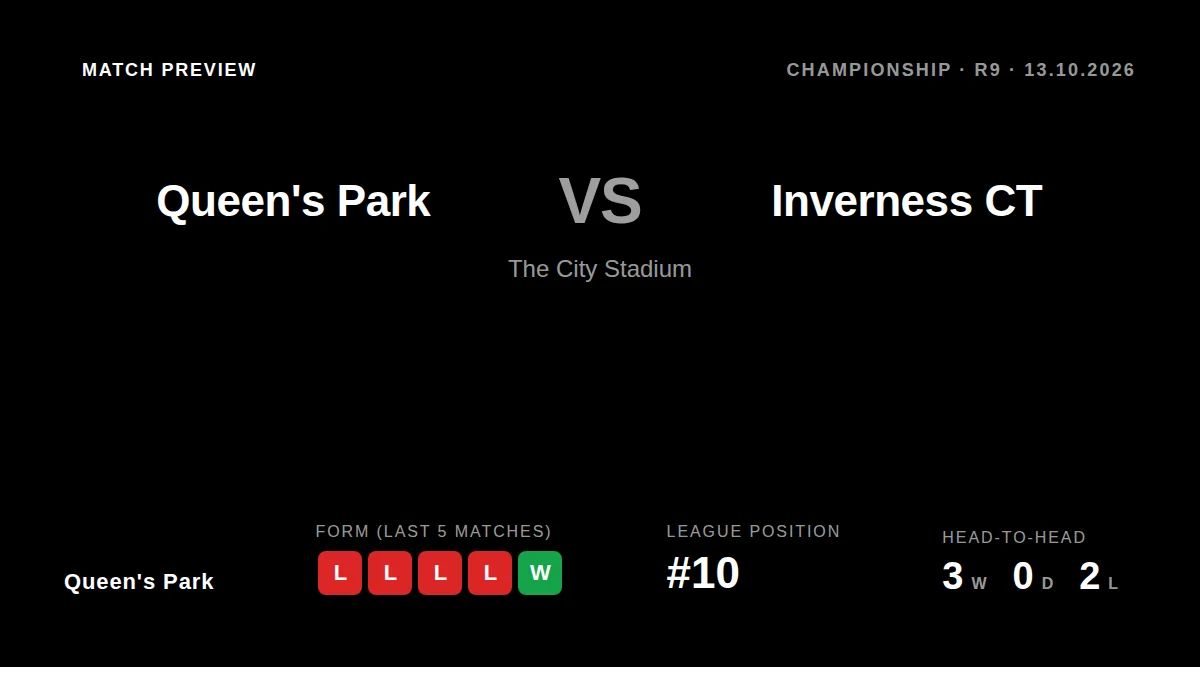
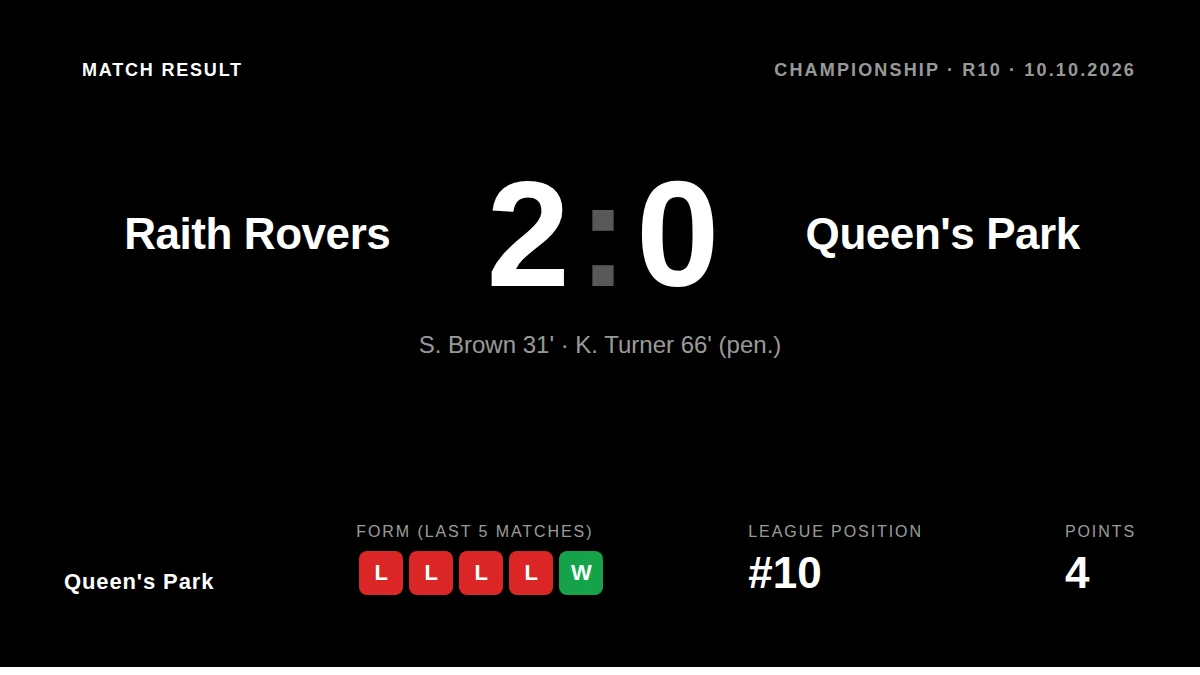
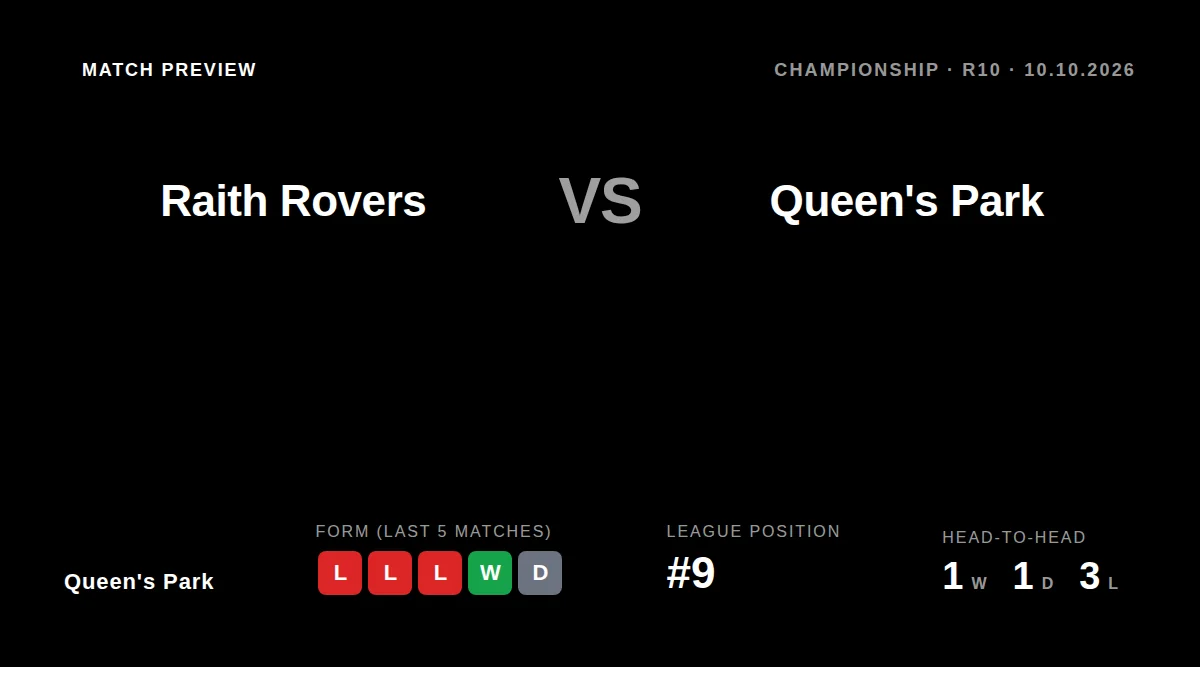
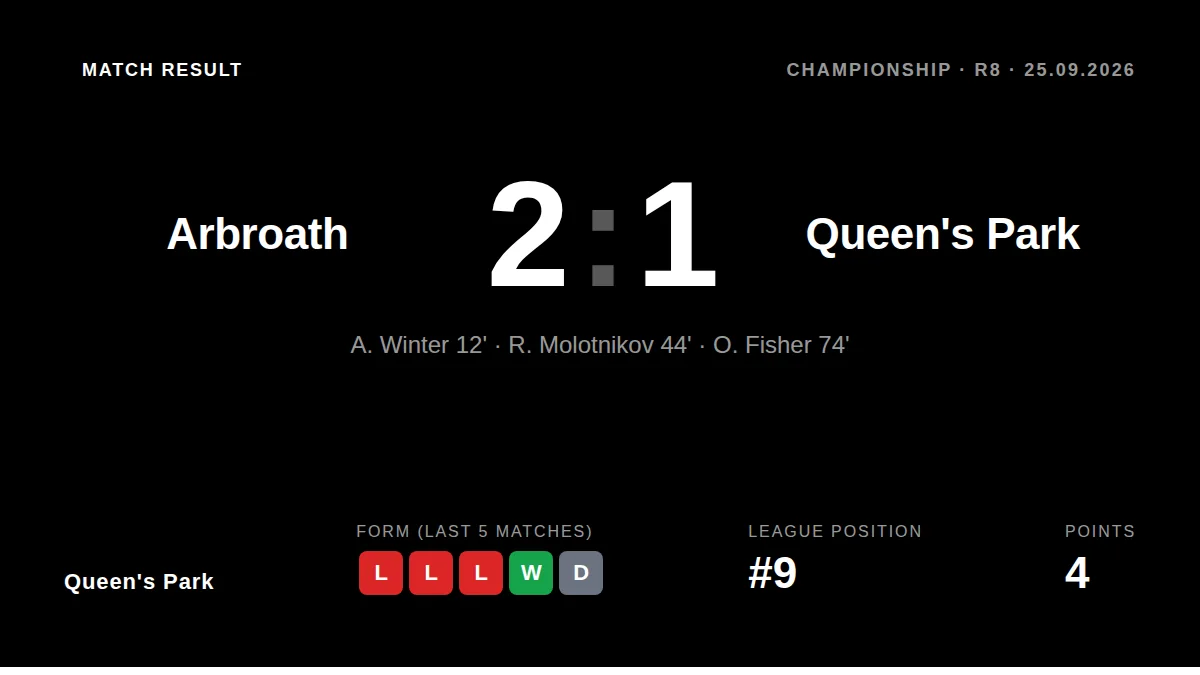
While its historic home faces an uncertain future, the modern Queen's Park side is handling a challenging season. The Spiders sit 10th in the Scottish Championship with just four points from nine games, having lost their last four matches. Their most recent result was a 2-0 defeat away to Raith Rovers on 10 October. Attention now turns to the immediate fixtures, with a home match against fifth-placed Inverness Caledonian Thistle next on the schedule.
The original Hampden footprint, located about half a mile from the current national stadium, is curated as part of Football’s Square Mile, a project that identified the site using archival maps in 2017. The campaign's aim is to preserve this key piece of football heritage for future generations, ensuring the birthplace of the passing game invented by Queen's Park remains a living part of the community.
First reported at footballgroundguide.com